What nutritional guidelines should those who go to the gym follow?
Beyond exercise, one’s diet directly influences the results and plays a crucial role for anyone hitting the gym with specific goals in mind. Let’s explore the nutritional principles that gym-goers should follow to avoid choosing the wrong foods—choices that could otherwise hinder their fitness objectives.
What should people who go to the gym eat?

Foods that should be included in a gym-goer's diet include:
- Meat, poultry, and fish: beef, lean pork tenderloin, chicken breast, salmon, tilapia, cod, etc.
- Dairy: yogurt, cheese, low-fat milk, etc.
- Grains: bread, cereals, oatmeal, quinoa, popcorn, rice, etc.
- Fruits: oranges, apples, bananas, grapes, pears, peaches, watermelon, various berries, etc.
- Tubers and starchy vegetables: potatoes, corn, green beans, cassava, etc.
- Vegetables: broccoli, spinach, lettuce, tomatoes, cucumbers, zucchini, asparagus, bell peppers, mushrooms, etc.
- Nuts and seeds: almonds, walnuts, sunflower seeds, chia seeds, flax seeds, etc.
- Legumes: green beans, lentils, black beans, etc.
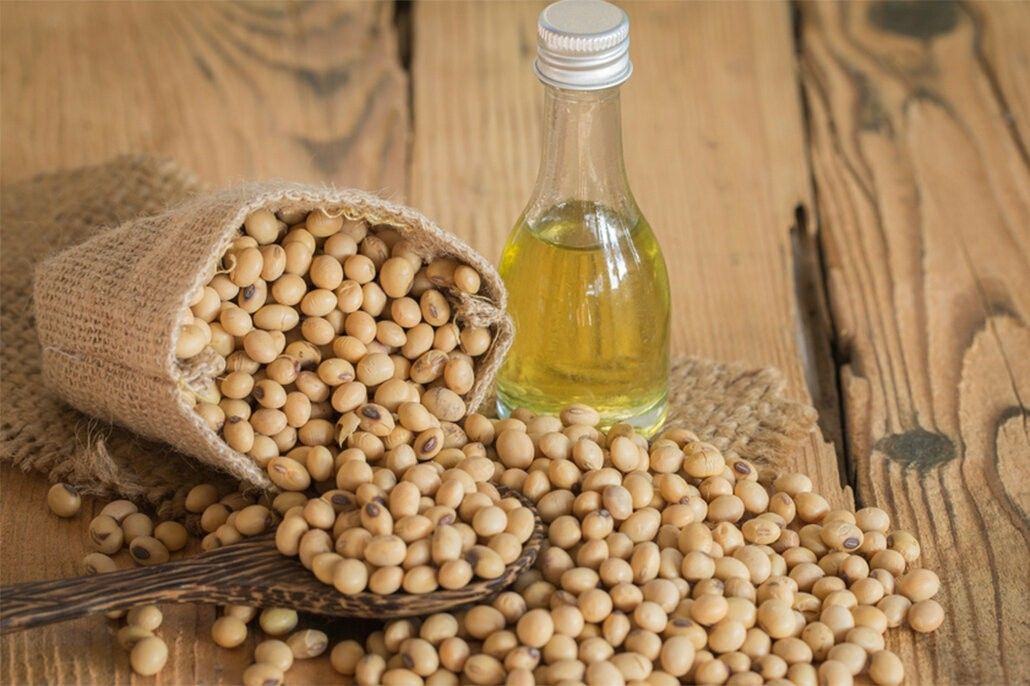
- Oils: olive oil, soybean oil, flaxseed oil, avocado oil, etc.
- Useful supplements: whey protein, creatine, and caffeine.
What should gym-goers avoid eating?

Those who go to the gym should avoid the following items in their diet:
- Alcohol: As a stimulant, excessive consumption can negatively impact muscle building and fat loss efforts.
- Sugar: Found in abundance in cakes, candies, and sugary drinks, these items are high in calories but low in nutritional value.
- Fried foods, high-fat foods, and carbonated beverages: These can slow down digestion and cause stomach discomfort during workouts.
Nutritional Guidelines for Gym-Goers
A healthy, scientifically-based diet for those who go to the gym should follow these principles:
- Balance your macronutrients: 30–35% of your total calories from protein, 55–60% from carbohydrates, and 15–29% from fats.
- Consume sufficient protein: At least 2.2g of protein per kilogram of body weight.
- Do not eliminate fats: Aim for about 20–30% of your daily caloric intake to come from fats.
- Increase carbohydrate intake: Approximately 2.5g of carbohydrates per 450g of body weight.
- Stay well-hydrated: Drink about 2–3 liters of water daily.
COBA and UMI soybean oils: Excellent additions to a gym-goer’s diet.

Many gym-goers still hold the mistaken belief that they should eliminate fat from their daily diet, assuming that fat leads to fat accumulation and hinders muscle-building efforts. According to nutrition experts, however, fat is one of the four essential nutrient groups for the human body—including for those who exercise. Furthermore, scientific research indicates that individuals who engage in strength training should consume healthy fats to help preserve lean muscle mass, support muscle growth, facilitate fat burning, and maintain overall health.
These beneficial fats—known as essential fatty acids (EFAs), including Omega-3, 6, and 9—play a crucial role in muscle development. They are found in foods such as fish, eggs, and meat, as well as in high-quality cooking oils—specifically the premium soybean oil duo, COBA and UMI, from the DABACO brand.
In particular, the premium soybean oil duo COBA and UMI provides all three types of unsaturated fatty acids—Omega-3, Omega-6, and Omega-9—which are essential for the diets of gym-goers. These fats contribute to overall nutritional health, support brain development, help lower cholesterol levels, and aid in the prevention of cardiovascular disease.

Furthermore, COBA and UMI are rich in vitamin E, which helps strengthen the body’s immune system, reduces the risk of cancer and premature aging, and promotes healthy, firm, and radiant skin while minimizing the appearance of wrinkles. COBA and UMI are also fortified with vitamin A to support vision and eye health. Notably, this premium duo of soybean oils—COBA and UMI—is entirely natural and pure; they contain no preservatives and are free from trans fatty acids, making them an excellent choice for a delicious and healthy diet—whether for those who exercise regularly or for anyone else.
To achieve such premium quality, COBA and UMI are produced at the first facility in Vietnam capable of both crude oil extraction and refining. The plant utilizes state-of-the-art machinery and production lines, all imported from Europe. The entire manufacturing process is modern, fully enclosed, and adheres to rigorous quality standards:
- The raw materials—nutrient-dense, high-quality soybeans—are sourced from reputable global suppliers, selected based on strict quality criteria established by DABACO in collaboration with the National Institute of Nutrition.
- During the preliminary processing stage, the soybeans undergo further quality inspections before being dehulled using a thermal process—an efficient method for removing the outer husks while minimizing the loss of fiber and protein content.
- In the plant’s advanced extraction line, the oil—which typically accounts for only 13–19% of a soybean—is extracted with maximum efficiency.
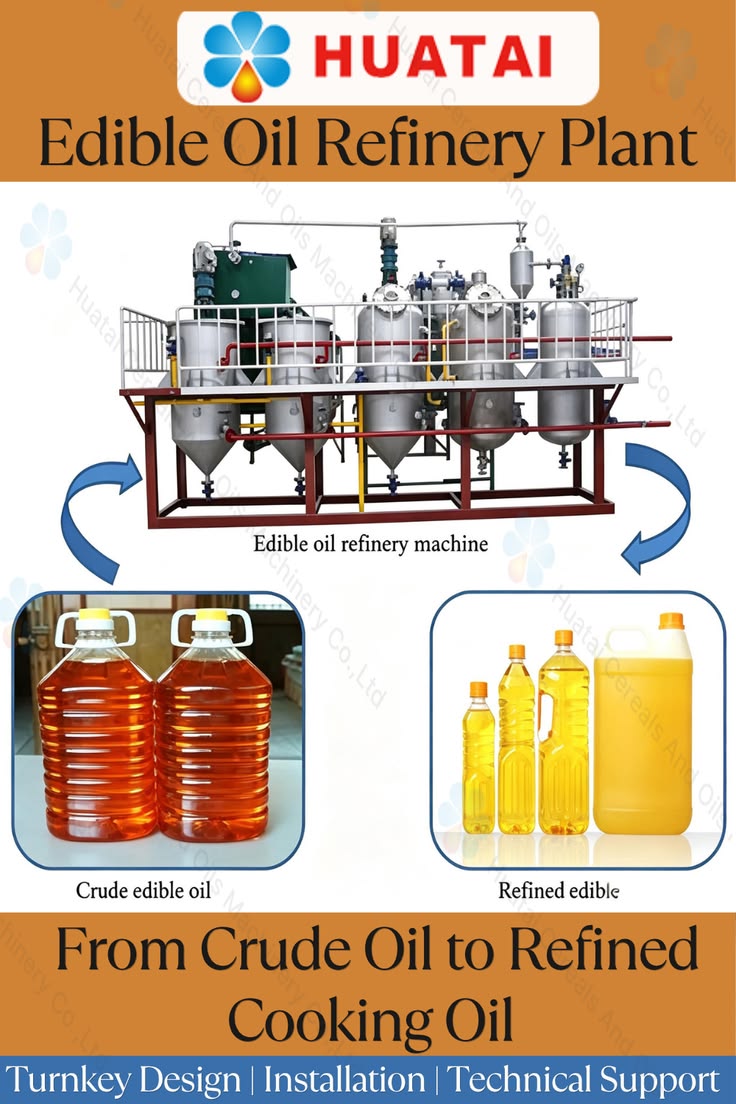
- The refining process at the DABACO vegetable oil plant meets European standards and takes place entirely within a closed, continuous system. The final product—refined soybean oil—is pumped into storage tanks that meet food safety and hygiene standards, ready for the bottling stage. Notably, during this process, DABACO employs NANO technology, which helps reduce raw material waste while preserving essential nutrients in the soybean oil, such as omega-3, -6, and -9 fatty acids, as well as vitamin E.
- The automated bottling line at the DABACO vegetable oil plant—which includes an in-house bottle-blowing system—minimizes the need for manual intervention. This significantly reduces food safety and hygiene risks, ensuring that the premium quality standards are maintained from the factory all the way to the consumer.
By choosing refined oil from a certified facility like DABACO, you are opting for an eco-friendly product and a greener lifestyle, thereby contributing to environmental protection. This is because the DABACO vegetable oil plant is the first in Vietnam to implement two separate wastewater treatment systems.

In addition, the facility features a modern wastewater recovery and treatment system. A steam-generation system—provided by Desmet Ballestra—converts wastewater into steam for use in the solvent-stripping process, thereby limiting the volume of wastewater discharged into the environment. Beyond applying nanotechnology in the refining stage, DABACO has also integrated a "Zero Effluent Discharge System" into the extraction process—a cutting-edge, proprietary technology from Desmet designed to further minimize environmental emissions.
The manufacturing plant for the COBA and UMI brands operates under the ISO 22000:2018 food safety management system—an internationally recognized standard. Achieving ISO 22000 certification demonstrates that the plant maintains a robust food safety management system, ensuring the delivery of safe, high-quality products to consumers.
Now that we have a foundational understanding of a healthy, scientific diet for gym-goers, we have also identified the premium soybean oil duo—COBA and UMI—as nutritious choices for those who exercise, as well as for everyone else.