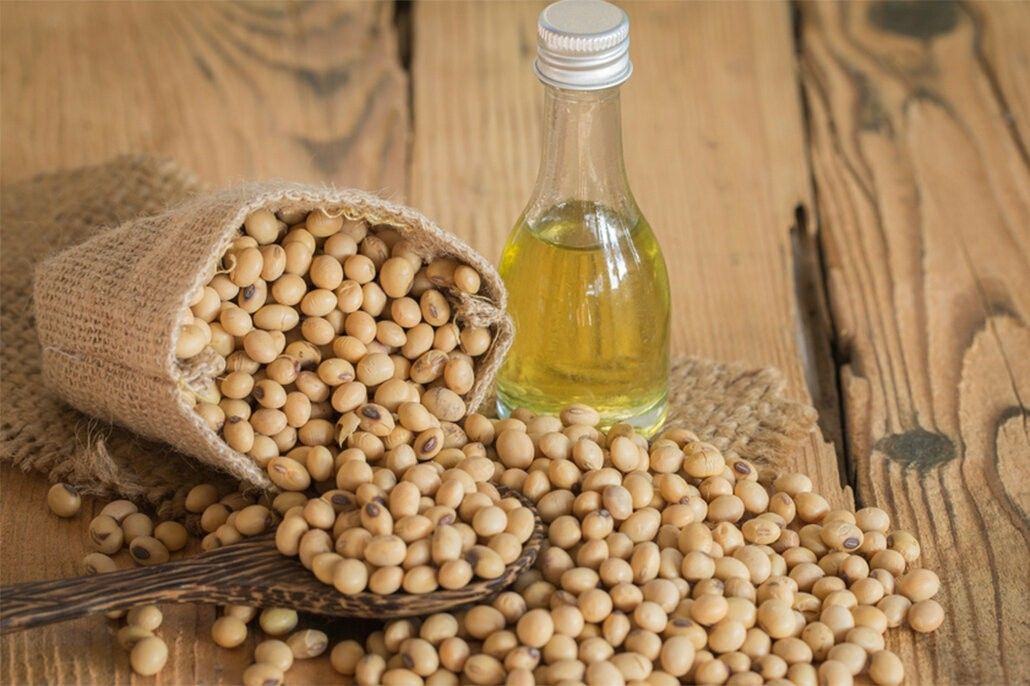
Believing that artisanal, unadulterated products are safer, many homemakers are rushing to purchase cooking oil from small-scale, manual pressing operations—often at a premium price. Some even go to the trouble of buying their own pressing machines for home use, unaware that such manually pressed oils are highly susceptible to contamination and impurities if not processed correctly.
Drawbacks of the artisanal soybean oil pressing method
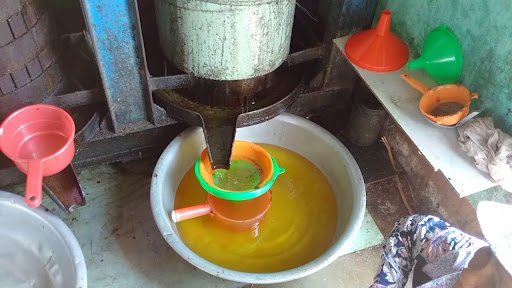
Hand-pressed oils do not meet food safety and hygiene standards and carry significant risks, as they often still contain impurities.
Not everything made at home is necessarily safe; pressing your own oil at home is a prime example. Experts have pointed out that home-pressed oil carries greater risks than oil produced in a commercial facility. Key concerns include the following:
First, the raw materials may be unreliable. If the soybeans used for pressing contain rotten or moldy beans, they can produce aflatoxin—a highly carcinogenic toxin generated by mold. Once this toxin dissolves into the oil, it becomes impossible to remove or control. Furthermore, if the soybeans have been stored for too long or are of poor quality, their nutritional value diminishes, which in turn compromises the nutritional content of the resulting oil.
Second, the manual pressing process is typically not a closed system. Both the raw materials and the finished oil are directly exposed to the air and ambient temperature, making the oil highly susceptible to oxidation. In this regard, home-pressed soybean oil cannot compare to oil produced through a closed, industrial-scale manufacturing process.
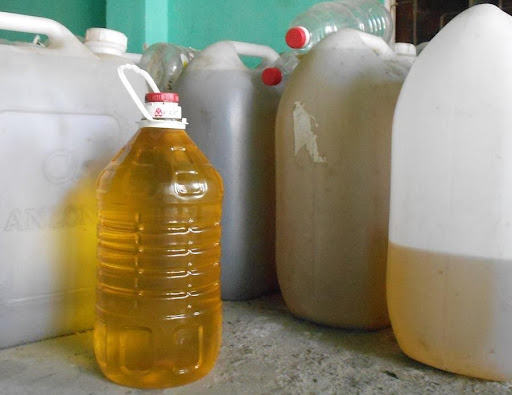
The containers used for the hand-pressed oil do not meet quality standards.
Third, the plastic bottles or containers used for storing artisanal, home-pressed cooking oil—often sold in markets or online—may be of poor quality and not specifically designed for oil storage. This creates a high risk of leaching harmful substances, such as phthalates. Phthalates are particularly dangerous for children and pregnant women, as they are linked to various health risks, including breast cancer, endocrine disruption, reproductive issues, and metabolic disorders. They may also lead to miscarriage, birth defects, premature birth, low birth weight, and hormonal imbalances (such as triggering precocious puberty in children).
Furthermore, using a manual or small-scale home oil press comes with several drawbacks: the oil often requires heating after extraction, yet determining the precise temperature and duration for this process is difficult. These machines are also prone to clogging, making them labor-intensive and time-consuming to operate; they often run noisily and fail to extract oil efficiently, resulting in wasted raw materials.
Significant advantages of choosing refined soybean oil produced in a standardized, professional facility:
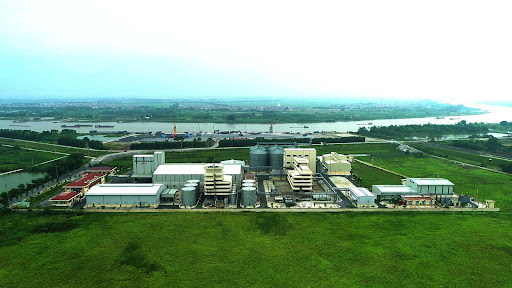
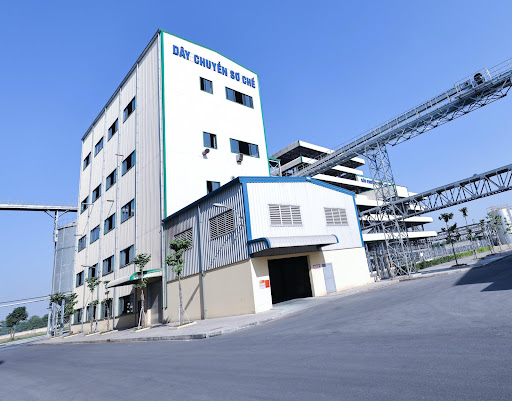
DABACO’s vegetable oil plant meets quality standards, producing premium soybean oil products.
To explore the advantages of refined soybean oil, we will use products from a premium-standard vegetable oil plant in Vietnam as a reference point: the DABACO vegetable oil plant, which produces two premium soybean oil brands—COBA and UMI.
This is the first plant in Vietnam to handle both crude oil extraction and cooking oil refining. The entire system of machinery, equipment, and production lines consists of the latest generation of European-origin technology, imported as a complete, integrated package. The entire production process is modern, closed-loop, and adheres to rigorous quality standards, as follows:
1. Input materials consist of high-quality, nutrient-rich soybeans sourced from reputable global suppliers, carefully selected based on quality standards established through a partnership between DABACO and the National Institute of Nutrition.
2. On the preliminary processing line, the raw soybeans undergo a physical inspection of quality parameters before undergoing thermal dehulling—an effective method for removing the hull while minimizing the loss of fiber and protein content within the bean.
3. At the DABACO oil plant's modern extraction line, the relatively low oil content of soybeans—ranging from 13% to 19%—is extracted to the maximum extent possible. While manual pressing might stop at this stage to yield the finished soybean oil, nutritional experts note that crude oil obtained via pressing or extraction—despite undergoing preliminary cleaning—is not yet suitable for use in the food industry; it still contains impurities that could adversely affect flavor during cooking.
Impurities present in the oil include free fatty acids, water, waxes, proteins, phosphatides, carbohydrates, pigments, and inorganic substances, as well as traces of pesticides, heavy metals, and mold. Although the levels of these impurities are relatively low, they can impart unwanted color and odor to the oil and reduce its shelf life.
Consequently, an additional refining step is required to remove all or some of these impurities. The extent to which impurities are removed depends on the specific machinery and processing technology employed.
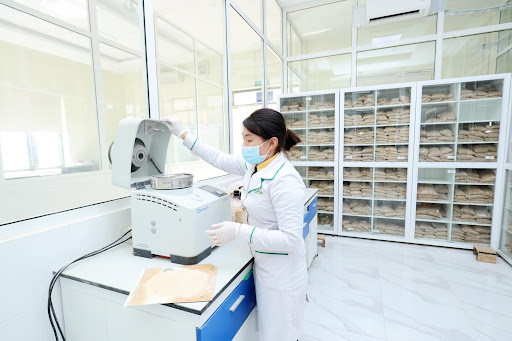
4. The European-standard refining line at the DABACO vegetable oil plant operates using a continuous, closed-loop system. The finished product—refined soybean oil—is pumped into storage tanks that meet food safety and hygiene standards, ready for the bottling stage. Notably, DABACO employs nano-technology during this phase to minimize raw material loss while preserving the soybean oil's essential nutrients.
Refined oil offers superior food safety and hygiene compared to crude oil. While soybean oil refining processes on some other production lines can deplete Vitamin A and E levels, DABACO’s European-standard refining line—enhanced by nano-technology—ensures an abundant Vitamin E content, includes added Vitamin A, and maintains the integrity of Omega 3, 6, and 9 fatty acids.
5. The automated bottling line at the DABACO vegetable oil plant, which integrates in-situ bottle blowing, minimizes external human intervention and reduces food safety risks to the absolute minimum, ensuring that premium quality standards are maintained from the factory all the way to the consumer.

6. By choosing refined oil from a facility that meets high standards—such as DABACO—you are opting for a green product and a green lifestyle, thereby contributing to environmental protection. DABACO’s vegetable oil plant is the first in Vietnam to construct two separate wastewater treatment systems:
+ A general plant wastewater treatment system
+ A dedicated wastewater treatment system for soybean oil processing
Additionally, the plant features a modern wastewater recovery and treatment system that complies with Vietnamese regulations regarding environmental discharge. Notably, the steam generation system provided by Desmet Ballestra converts wastewater into steam for use in the solvent separation process, thereby minimizing the volume of wastewater discharged into the environment.
Beyond applying nanotechnology in the refining stage, DABACO has integrated the "Zero Effluent Discharge System" into the extraction process—a cutting-edge, proprietary technology from Desmet designed to maximize the reduction of environmental emissions.
The plant is currently implementing the ISO 22000:2018 food safety management system, an internationally recognized standard. Achieving ISO 22000 certification demonstrates the plant's robust food safety management capabilities and its commitment to delivering safe, high-quality products to consumers.
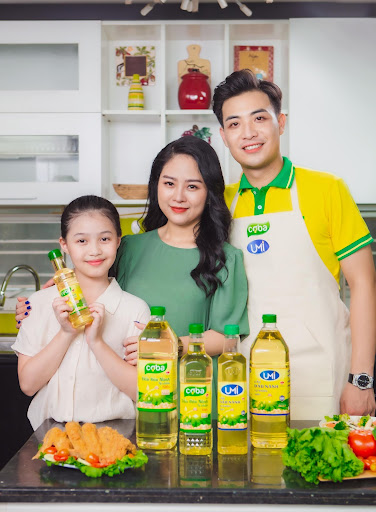
Be a smart consumer and choose products that are both convenient and meet premium quality standards—like the COBA and UMI soybean oil duo!