Soybean hull pellets
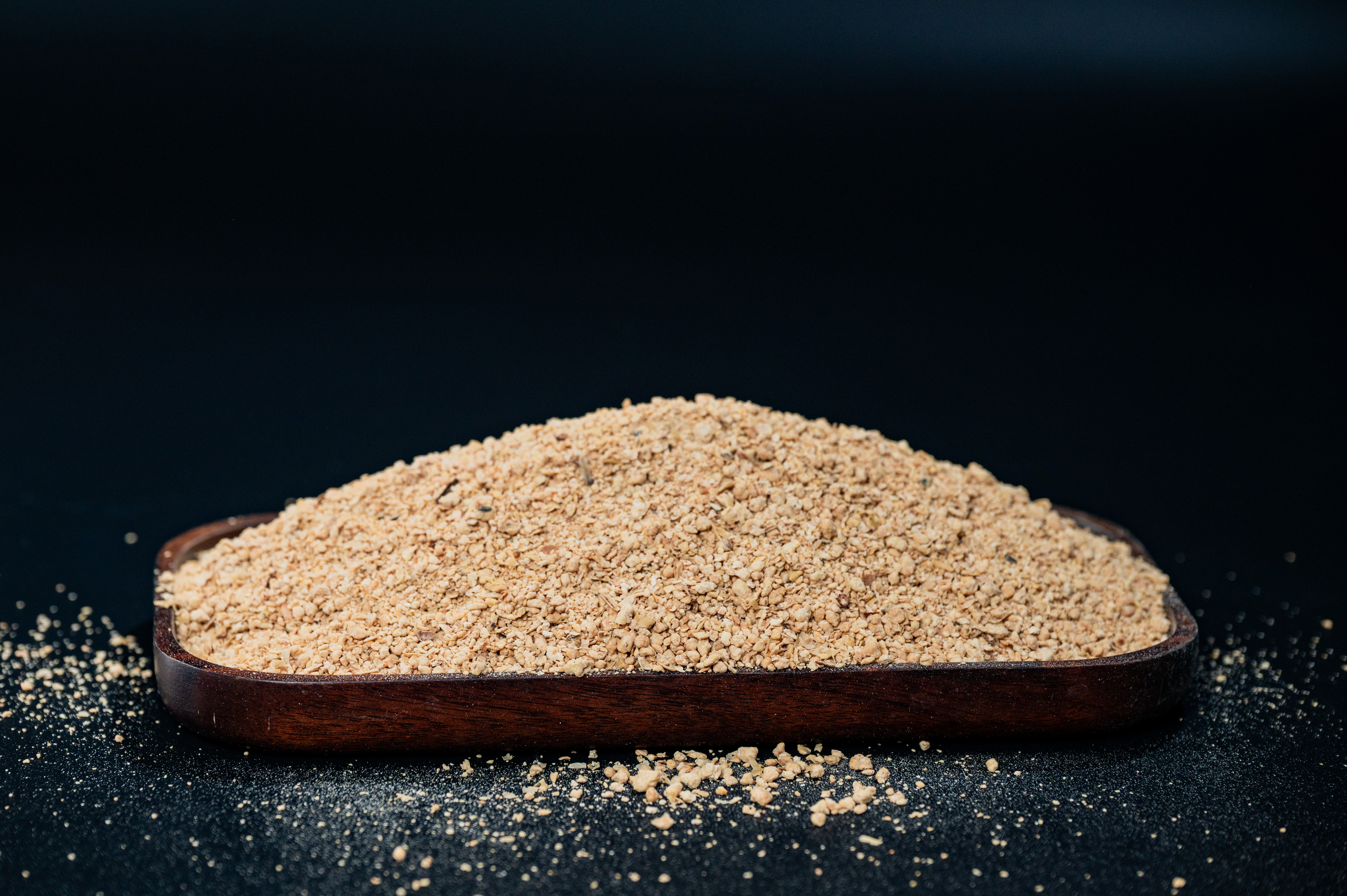
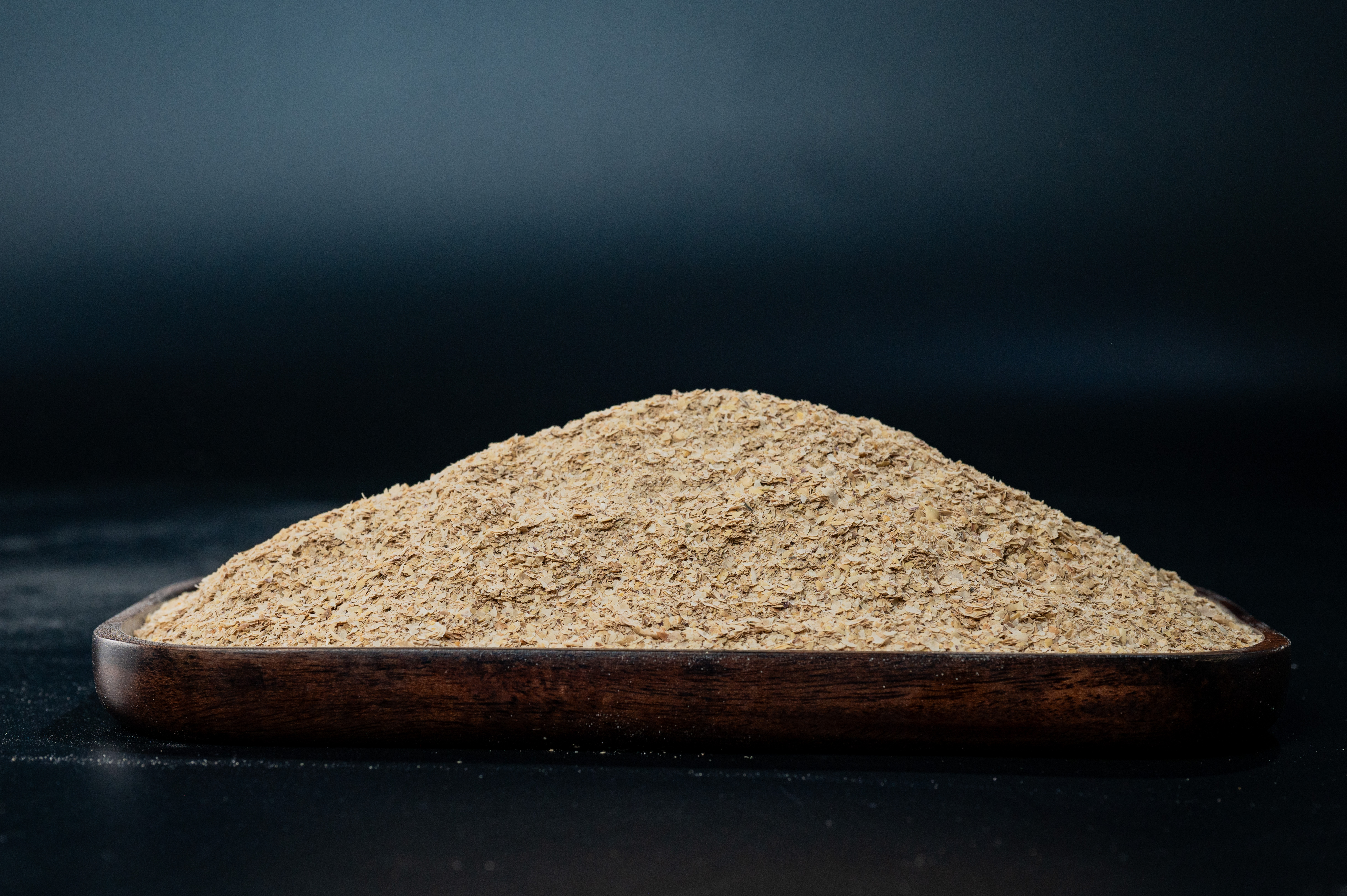
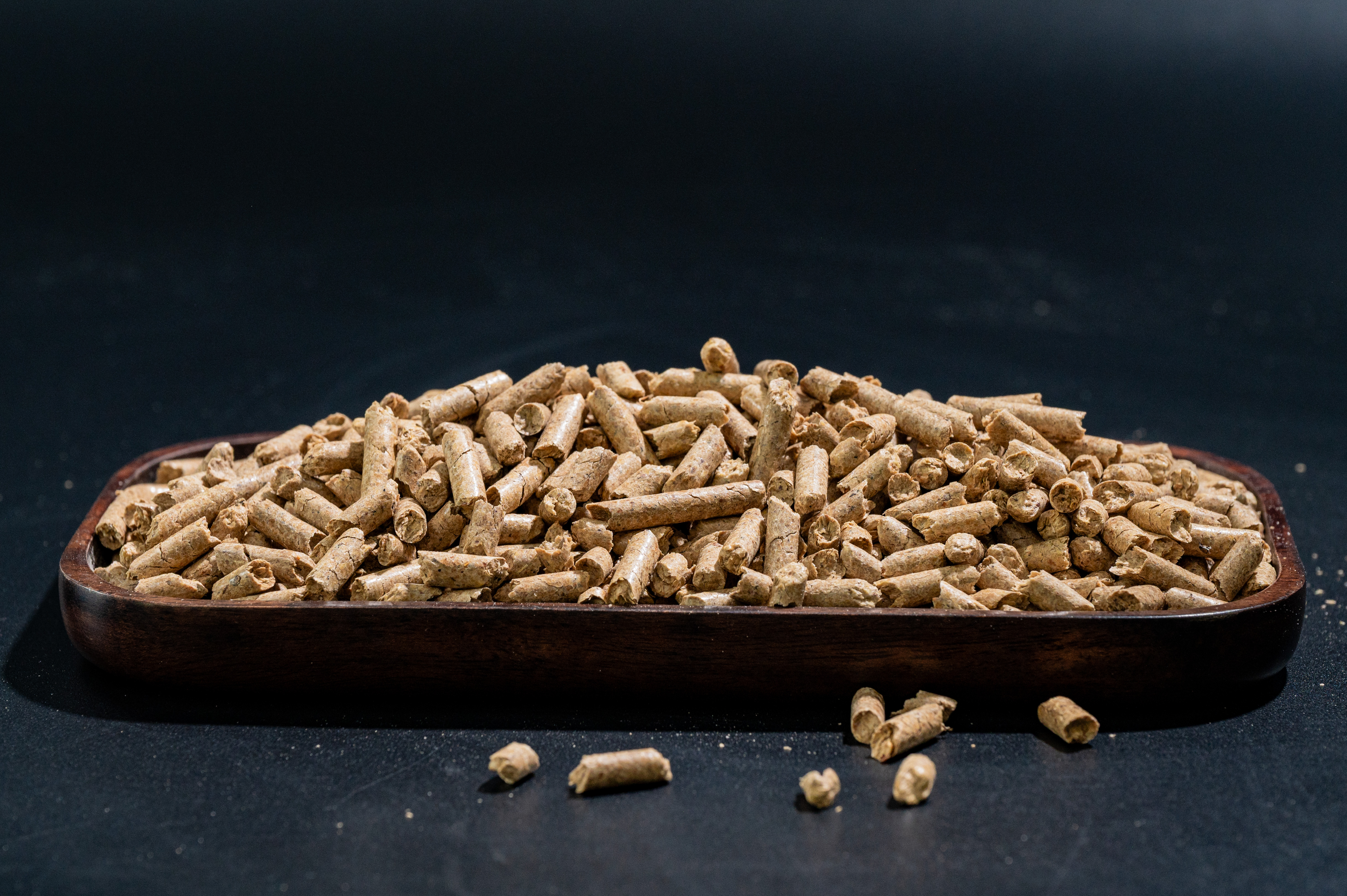
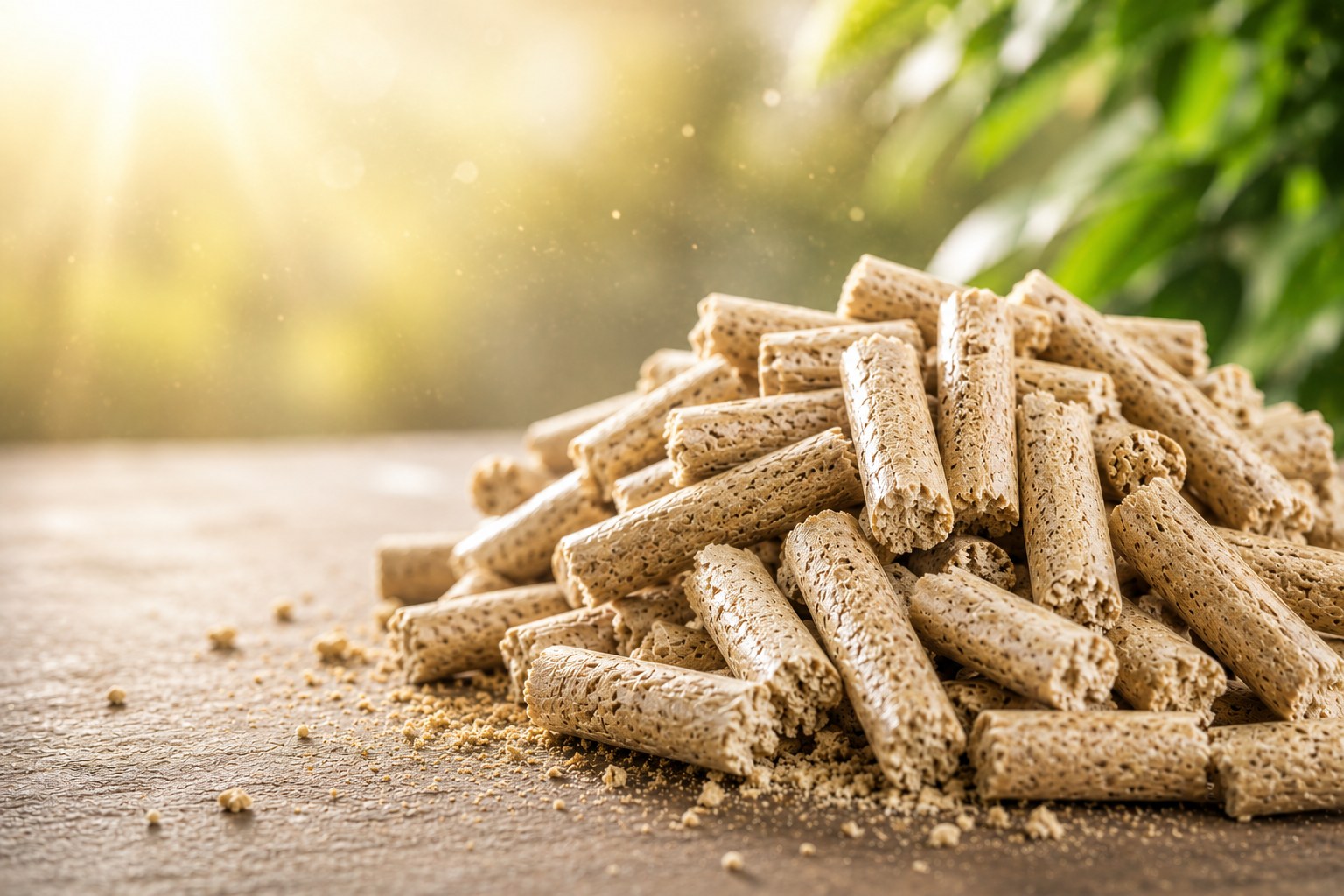
Pelletized soybean hulls are derived from soybean seed coats and processed into pellets to facilitate transport, storage, and use in animal husbandry. The product retains the characteristic color and natural aroma of soybean hulls and serves as a source of fiber for inclusion in animal feed formulations.
With a minimum crude fiber content of 32% and a maximum moisture content of 13%—as specified in the product documentation—pelletized soybean hulls are a suitable option for animal feed manufacturers and farms to consider for use in nutritional formulations.
1. Product Information: Pelletized Soybean Hulls
- Product Name: Pelletized soybean hulls.
- Form: Pellets.
- Color: Yellow or light gray.
- Odor: Characteristic of soybean hulls; free from off-odors.
- Crude Fiber Content: Minimum 32%.
- Moisture Content: Maximum 13%.
- Nutritional Characteristics: According to product documentation, it contains a high level of protein.
- Application: Ingredient for animal feed formulation.
2. Key Characteristics of Pelleted Soybean Hulls
Convenient Form for Storage and Transport
Processed into pellets, the product is easier to package, store, transport, and portion out during the production of animal feed.
Natural Source of Fiber
According to the provided information, pelleted soybean hulls contain a minimum of 32% crude fiber. This component should be taken into account when formulating feed to meet the nutritional requirements and digestive characteristics of specific livestock.
Clearly Defined Material Properties
The product is yellow or light gray in color and possesses the characteristic scent of soybean hulls, with no foreign odors. These sensory attributes facilitate the preliminary inspection of the material upon receipt.
3. Applications of Pelleted Soybean Hulls in Animal Husbandry
Pelleted soybean hulls can be used as an ingredient in the production of animal feed, subject to technical requirements and specific dietary formulations.
The product is suitable for use by animal feed manufacturers and livestock farms, either on its own or in combination with other ingredients. The inclusion rate should be determined based on the actual nutritional content, the specific needs of the livestock, and professional guidance.
4. Target Audience
Pelleted soybean hulls are intended for entities that require such materials for production or livestock farming, including:
- Animal feed manufacturing plants.
- Livestock farms.
- Businesses involved in the procurement and distribution of agricultural raw materials.
- Entities that formulate and blend animal feed. 5. Storage and Usage Guidelines
To maintain product quality, pelleted soybean hulls should be stored in a cool, dry place, away from direct contact with water, damp surfaces, or potential sources of contamination. The storage facility should be well-ventilated to prevent the material from absorbing moisture.
Before use, businesses should conduct sensory evaluations and verify moisture content and other quality parameters against required specifications. Formulation and blending should be based on the actual nutritional composition and the specific feed requirements for each type of livestock.
6. Pelleted Soybean Hulls – An Ingredient Solution for Animal Feed Production
With a convenient pelleted form, a minimum crude fiber content of 32%, and a maximum moisture content of 13% (as per product specifications), pelleted soybean hulls represent a valuable ingredient for businesses in the animal feed industry.
Selecting ingredients with clearly defined specifications, implementing strict quality control for incoming materials, and developing precise blending formulas will enable businesses to achieve greater control over their production processes and the quality of their animal feed products.
| Nutrition | Rich in Vitamin E and containing Omega 3-6-9 fatty acids, it is also fortified with Vitamin A (Vitamin A Palmitate) to support cardiovascular health and vision. |
|---|---|
| Storage | Store in a cool, dry place, away from direct sunlight. |
| Note | Close the lid tightly after use; it is recommended to consume the product within 30 days of opening. |
| Standards | Meets the international quality standard ISO 22000:2018. |
Content is being updated.
Content is being updated.