Principles for Selecting Foods—Especially Healthy Fats—in an "Eat Clean" Diet
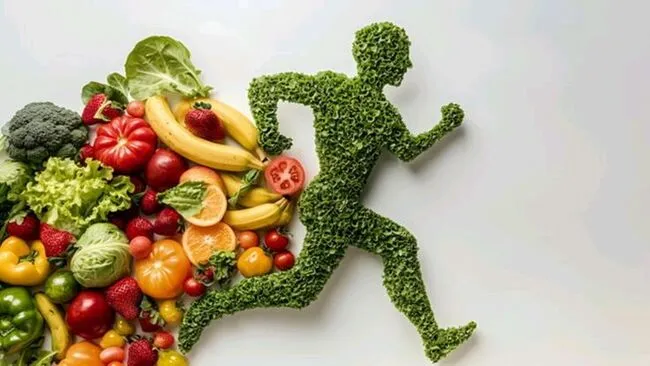
The "eat clean" diet prioritizes fresh, wholesome, and clean foods while limiting processed items, ensuring the body receives maximum nutritional value. Beyond weight loss, adopting an "eat clean" lifestyle offers numerous health benefits, such as increased energy, mental alertness, sharper vision, clearer skin, and healthier teeth and gums.
This is why an increasing number of people are choosing the "eat clean" approach to achieve a balanced physique and better overall health. So, what is unique about selecting foods—particularly sources of fat—within an "eat clean" diet, and what should you keep in mind?
Find the answers in the article below!
The "Eat Clean" Diet: Principles for Making the Right Food Choices

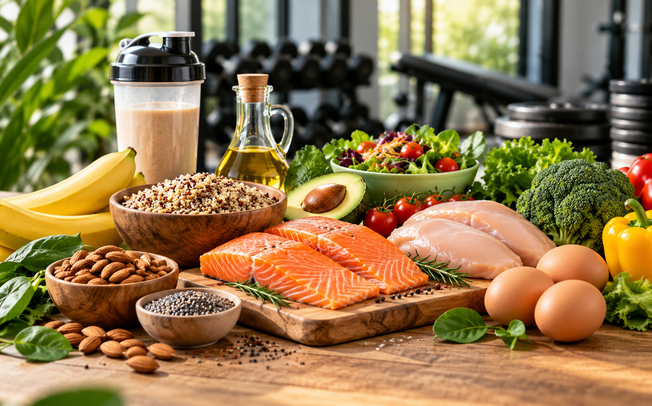
According to Tosca, author of the book "The Eat-Clean Diet, Just the Rules," the principles for food selection in an "eat-clean" diet can be summarized as follows:
+ Choose fresh, whole foods in their most natural state whenever possible.
+ Consume a wide variety of colorful fruits and vegetables.
+ Opt for organic ingredients.
+ Do not eliminate starches.
+ Avoid products containing refined sugar.
+ Ensure that the fats you consume are "healthy" fats.
+ Obtain vitamins and minerals from whole foods rather than from supplements.

Regarding food preparation and consumption within an "eat clean" regimen, keep the following points in mind:
+ Simple cooking methods like boiling or steaming are best. The water used for boiling or steaming is also beneficial for your physique and your "eat clean" diet—don’t discard it!
+ Use vegetable-based oils.
+ Opt for sea salt instead of refined salt or pre-mixed seasoning powders; however, use salt sparingly and avoid overly salty foods.
+ Use natural ingredients—such as garlic, onions, lemongrass, and fresh herbs—to season your food, rather than relying on pre-packaged seasoning mixes.
+ Eat multiple times a day, consisting of 3 main meals and 2–3 snacks, and be sure to track the calories for each meal.
+ Eat slowly and chew your food thoroughly.
COBA and UMI premium soybean oils: A source of healthy fats for an authentic "eat clean" diet.

One of the key principles for selecting the right foods when following an "eat clean" diet is ensuring that the fats you consume are "good" fats. Yet, many people still wonder: Can soybean oil be used as part of an "eat clean" regimen?
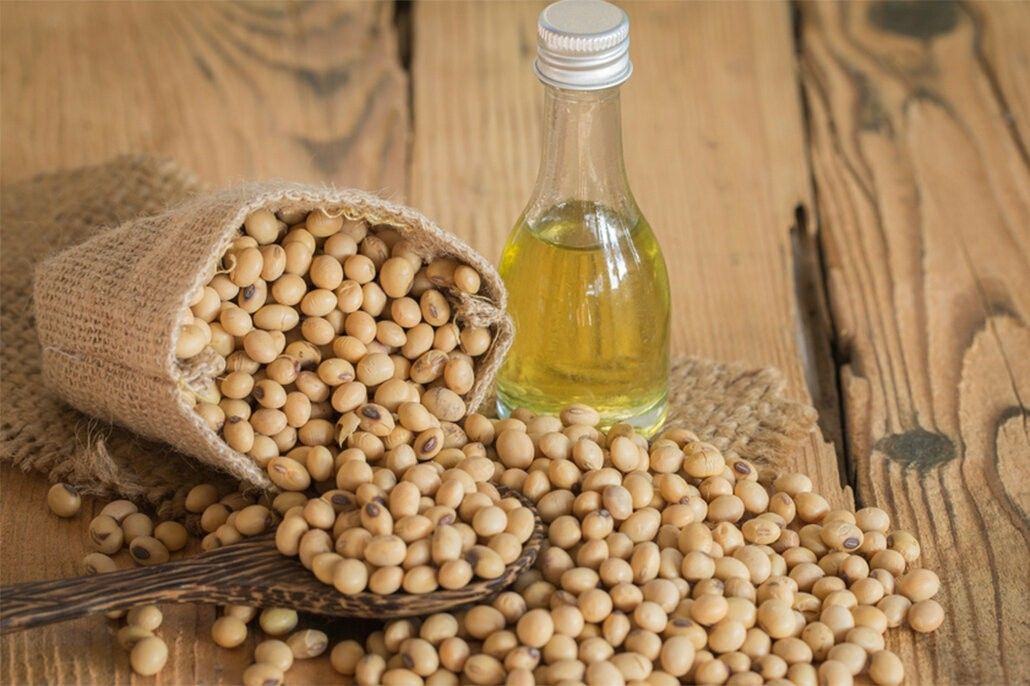
The answer is yes—provided that the soybean oil meets high-quality standards, such as the premium COBA and UMI soybean oils produced by the DABACO vegetable oil plant. Nutrition experts consider COBA and UMI to be excellent sources of healthy fats, suitable for daily use by those following a diet, practicing an "eat clean" lifestyle, or even those who are vegetarian.
Let’s explore why the COBA and UMI soybean oil duo serves as the perfect choice for an "eat clean" diet—one that is wholesome, clean, and scientifically sound.
The COBA and UMI Soybean Oil Duo: WHOLESOME

More than just the result of rigorous research by leading Vietnamese nutrition experts, COBA and UMI are crafted from 100% high-quality, nutrient-rich soybeans sourced from reputable global suppliers. Every batch of soybeans is carefully selected based on strict quality standards, established by DABACO in collaboration with the National Institute of Nutrition.
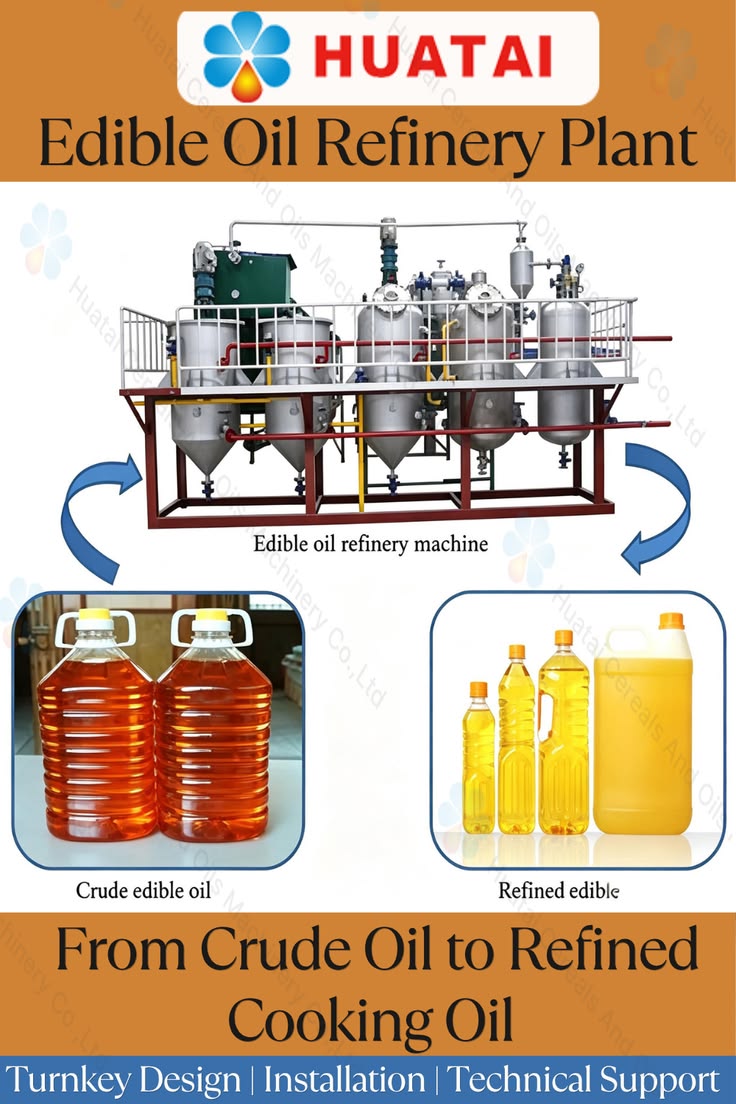
During the refining process, DABACO employs NANO technology to preserve the essential nutrients found in soybean oil. Furthermore, COBA and UMI are entirely natural and pure—free from preservatives and trans fatty acids. Rich in Omega 3-6-9, vitamin E, and vitamin A, they support healthy vision and a strong heart, providing beneficial nutrition—an ideal choice for those following an "eat clean" lifestyle.
The COBA and UMI soybean oil duo: CLEAN

The premium soybean oil duo, COBA and UMI, is produced entirely using state-of-the-art machinery and production lines imported from Europe. The manufacturing process is fully enclosed, strictly adhering to food safety and hygiene standards.
Furthermore, the facility producing COBA and UMI operates under the ISO 22000:2018 food safety management system—an internationally recognized standard. Achieving ISO 22000 certification demonstrates that the facility maintains a robust food safety management system, ensuring the delivery of safe, high-quality products to consumers.
The COBA and UMI soybean oil duo: GREEN

Choosing refined oil from a standard-compliant facility like DABACO means opting for not only a clean and wholesome diet but also a greener lifestyle that contributes to environmental protection. DABACO’s vegetable oil plant is the first in Vietnam to feature two separate wastewater treatment systems.
Furthermore, the plant utilizes a state-of-the-art wastewater recovery and treatment system, along with a steam generation unit—provided by Desmet Ballestra—that converts wastewater into steam for the solvent-stripping process, thereby minimizing the volume of wastewater discharged into the environment. In addition to employing Nano-technology during the refining stage, DABACO has integrated a "Zero Effluent Discharge System" into its extraction process—a cutting-edge, proprietary technology from Desmet designed to further reduce environmental waste to the absolute minimum.
COBA and UMI soybean oils: DELICIOUS

First, there is the visual appeal: the premium soybean oil duo, COBA and UMI, boasts a vibrant, golden, and lustrous appearance—a testament to their purity and superior quality.
Beyond their visual appeal, COBA and UMI also excel in taste, uniquely enhancing the distinct flavors of every dish. The secret lies in their light, neutral profile combined with a high smoke point, making them suitable for a wide range of cooking methods—from frying, sautéing, stir-frying, and roasting to preparing salad dressings.
Now you are equipped with the principles for selecting the right foods for a proper, scientifically-sound "eat clean" regimen. Furthermore, by choosing the healthy fats found in the premium soybean oil duo—COBA and UMI—you can make your "eat clean" lifestyle even more effective.